

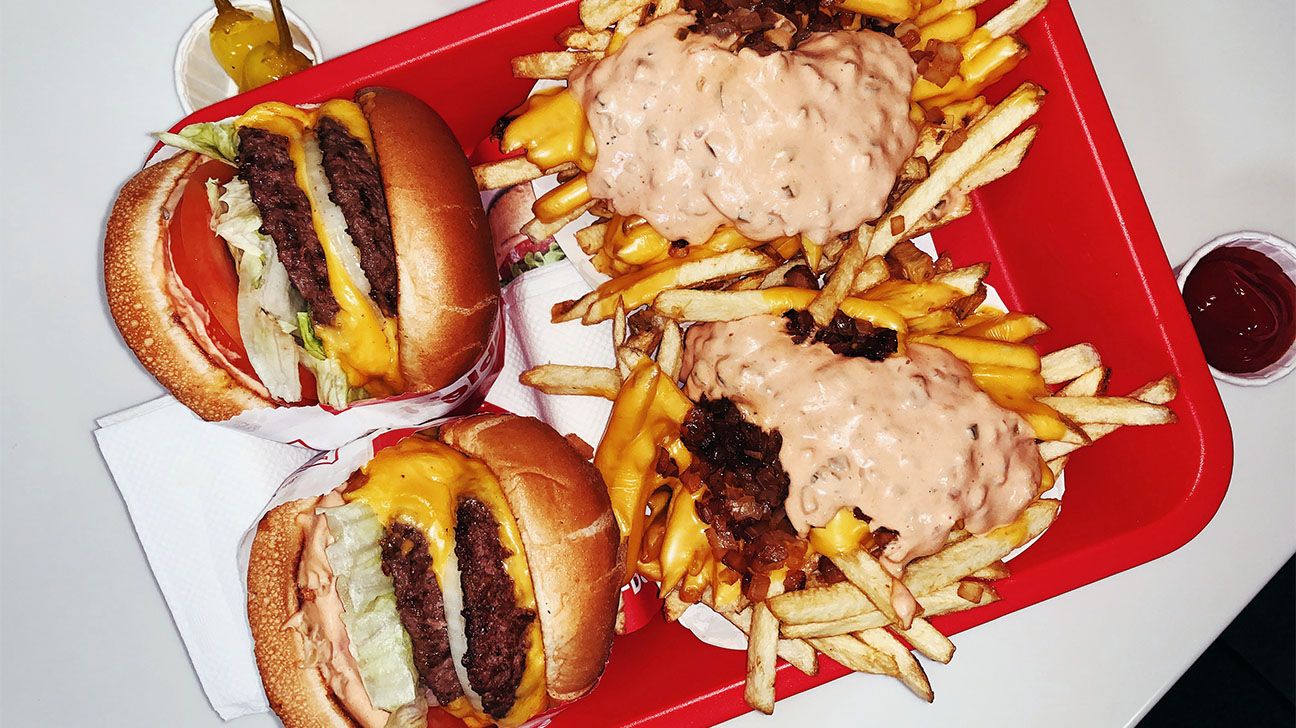
- A new analysis concluded that ultraprocessed foods (UPFs) are potentially as addictive as tobacco products.
- The researchers discovered that UPFs are engineered to boost pleasure and speed up the absorption of reinforcing ingredients.
- The “addictive” quality of such products means they fuel uncontrollable eating and interfere with natural hunger cues.
- The review authors recommend that ultraprocessed foods ought to be subject to policies similar to those for cigarettes.
At present, there is no single universal definition of ultraprocessed foods. Many describe them as foods that include ingredients you would not typically use in a home kitchen, for instance emulsifiers and additives.
Numerous experts rely on the NOVA food categorization to define ultraprocessed foods. This talks about products that contain “formulations of components, mostly of manufacturing origin, often created by a series of industrial techniques and processes.”
A recent paper released by The Millbank Quarterly indicated that UPFs are potentially as addictive as tobacco products.
“I agree with this study, as ultra-processed foods are intentionally formulated to be incredibly tempting to the majority of people,” noted a bariatric surgeon who was not involved in the study.
Research from 2023 calculates that over 73% of the food supply in the US is classified as highly processed.
“Cigarettes and ultraprocessed foods are not just natural products but highly engineered delivery systems created purposely to optimize biological and psychological reinforcement and compulsive consumption,” wrote the new study’s scientists.
Are UPFs Addictive?
The paper integrated data from substance use, public health history, and dietary science in order to pinpoint textural and compositional qualities that enhance the rewarding nature of both cigarettes and ultraprocessed foods.
“It’s not all people is ‘addicted’’ to these foods, but for a meaningful minority, they elicit typical addiction-like behaviors: intense desires, inability to stop, and persistent consumption despite negative health effects,” said a heart health nutrition expert.
“These foods are deliberately engineered with refined carbs, added fats, sodium, and taste additives to maximize reward and ongoing intake, and the food sector employs aggressive marketing tactics, particularly aimed at children,” she continued.
The authors examined five key areas:
- delivery speed
- pleasure-based design, or designing foods to be irresistibly good
- perfecting the amount
- environmental ubiquity
- misleading changes, or “wellness branding”
The study concluded that, similar to cigarettes, ultraprocessed foods are carefully calibrated to deliver the optimal amount of sweetness.
“Processed carbs trigger dopamine release through the vagus nerve, whereas fats do so through fat detection in the gut,” the researchers wrote.
“… UPFs with high levels of refined carbohydrates and added fats are some of the most potently rewarding foods in the contemporary food supply. Notably this processed carb and fat mix is almost nonexistent in nature.”
How these foods rapidly deliver “feel-good” chemicals to the mind renders them potentially addictive, in a comparable way to cigarettes.
The review explained that while cigarettes are designed to deliver nicotine rapidly, UPFs are engineered to rapidly digest and absorb, as they usually have little to no dietary fiber. This allows for the body to metabolize fat and sugar more quickly.
Authors also note that ultraprocessed foods give deliberate flavor bursts that dissipate rapidly and mouthfeels that melt in your mouth. This collectively works to deliver more dopamine and encourages you to consume additional amounts.
‘Health Washing’ in Tobacco, UPFs
Based on the review, both the tobacco and food sectors have historically employed a strategy called “health washing.”
This refers to when goods are advertised and altered to create an perception of reduced harm while maintaining the essential addictive properties.
This tactic in the cigarette sector gained traction in the mid-20th century with the advent of filters on cigarettes.
These were marketed as protective innovations that would trap tar and particles prior to they reached the respiratory system. Actually, these tips offer little meaningful benefit.
However, people typically adjusted by taking bigger puffs or increasing consumption, which negated any reduction in toxin exposure.
Food manufacturers has adopted a similar strategy. It employs labels such as “low fat” or “no sugar added” to market ultraprocessed foods.
Yet, these foods often retain the very addictive formulations. The problem is that these changes present a surface-level impression of health while the product’s addictive structure and health risks persist unchanged.
Should Ultraprocessed Foods Be Regulated?
The authors noted at the conclusion of their paper that food and smoking products are fundamentally different.
Still, they cautioned that certain ultraprocessed foods act like highly optimized consumables rather than real nourishment. They recommended that public health policy ought to acknowledge this distinction.
“Tobacco provides a cautionary tale, and tobacco control offers a source of hope,” the authors stated.
Because of regulations, smoking levels in the United States have fallen and have “altered public perception of tobacco and diminished trust in the industry.”
“I believe greater awareness about the negative impact of ultra-processed foods is essential to lower general consumption and enhance public health. The approaches used to reduce tobacco use have been effective and may be a helpful model for UPFs as well,” said one specialist.
“It is not my view UPFs ought to be regulated exactly like tobacco, but they certainly deserve more robust, tobacco-inspired measures: advertising limits, obvious packaging warnings, tighter standards on health claims, and restrictions in educational institutions or hospitals,” added another nutrition professional.
The authors reminded people that minimally processed and unprocessed foods have supported human health for millennia.


